Preserve Your Investment: Professional Seal Coating Services for Long-lasting Pavement Care
Maintaining asphalt surfaces is essential for property owners. Seal coating acts as a protective layer against UV rays, moisture, and chemicals. This process not only improves the appearance of pavement but also prevents costly repairs down the line. Understanding the significance of regular seal coating can make a substantial difference in the longevity of asphalt. However, many may wonder what factors to evaluate when seeking professional services.
Why Your Asphalt Needs Seal Coating for Maximum Longevity
Sealcoating serves a vital function in prolonging the lifespan of asphalt surfaces. This protective layer serves as a barrier against environmental elements, blocking moisture penetration that can lead to cracks and deterioration. By shielding asphalt from harmful UV rays, seal coating helps maintain the material's flexibility and durability, reducing the risk of oxidation and brittleness over time.
Furthermore, seal coating delivers resistance to oil, gasoline, and other chemicals that can damage asphalt integrity. Regular application of sealant not only enhances the appearance of the related resource pavement but also lessens the need for costly repairs. The process also fills small cracks and imperfections, preventing them from expanding into more major issues. By investing in seal coating, property owners can successfully preserve their asphalt, ensuring it remains usable and visually appealing for years. This proactive maintenance approach ultimately leads to long-term savings and a better overall investment in pavement care.
Key Benefits of Professional Seal Coating Services
Investing in professional seal coating services offers several advantages that can substantially boost the lifespan and appearance of asphalt surfaces. First and foremost, these services offer a protective barrier against damaging elements such as UV rays, water, and chemicals that can cause degradation. This protective layer helps to prevent cracks and potholes, consequently decreasing the need for costly repairs.
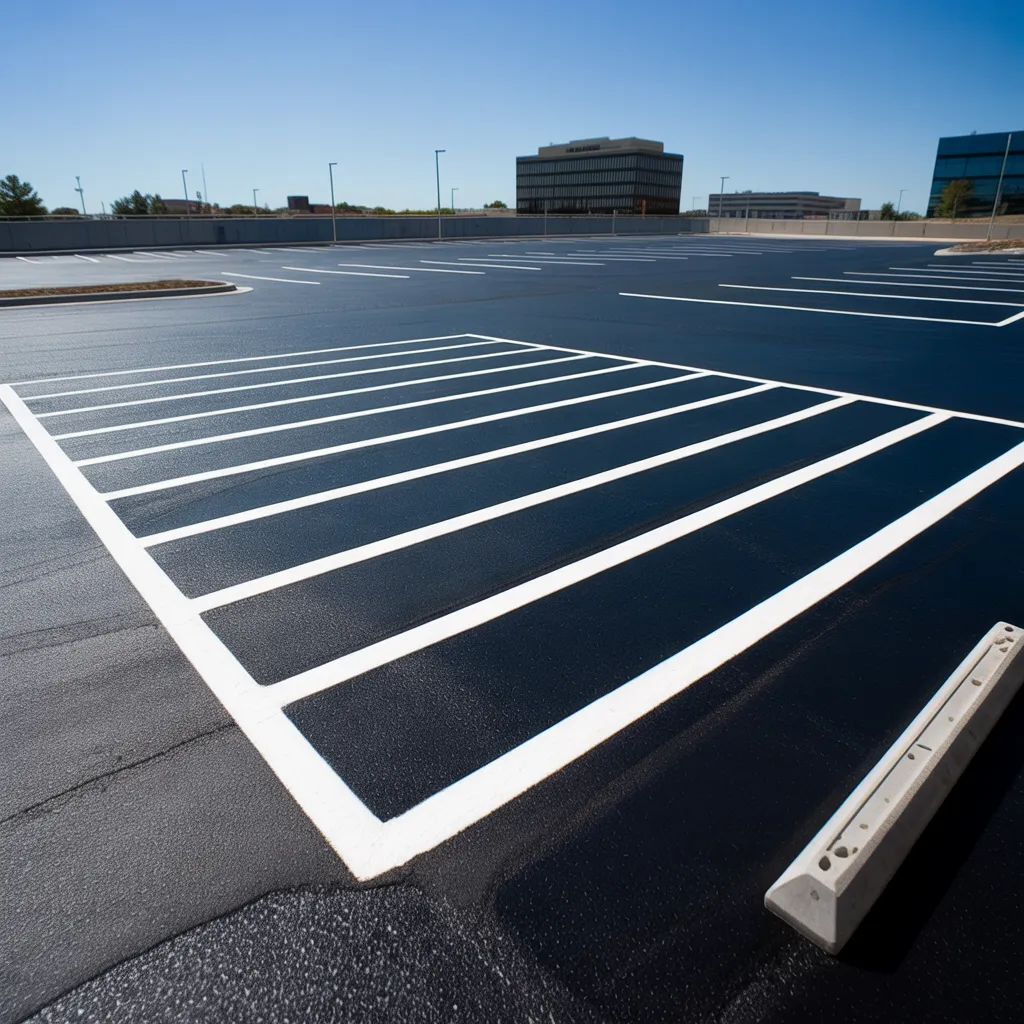
Moreover, professional seal coating elevates the aesthetic appeal of asphalt, giving it a new, dark finish that enhances curb appeal. The application process provides even coverage and superior adhesion, which might not be achievable through DIY methods. Furthermore, professional seal coating can extend the lifespan of asphalt by several years, making it a cost-effective investment in the long run. In conclusion, experienced technicians are equipped with the right tools and expertise, providing a high-quality finish that fulfills industry standards, therefore providing peace of mind to property owners.
How to Pick the Right Seal Coating Provider?
How can property owners be confident they select the most suitable seal coating service provider for their needs? First, they should examine potential providers by checking online reviews and testimonials, which can offer insights into customer satisfaction and service quality. Moreover, verifying the service provider's experience and expertise in seal coating is essential, as well as ensuring they are insured and licensed.
Home owners should request multiple quotes to compare pricing and services offered. This process enables identification of reasonable rates and any potential red flags. Additionally, it is helpful to ask about the materials used and the application techniques used, as these factors significantly affect the durability of the seal coating.
Finally, a reputable provider should be ready to talk about their approach and field any questions, demonstrating transparency and professionalism. By implementing these principles, property owners can make an informed decision when hiring a seal coating provider.
Widely-Used Seal Coating Methods and Their Value
Numerous techniques are found for seal coating, each presenting unique benefits adapted to different surfaces and environmental conditions. One favored method is the asphalt emulsion seal coat, which ensures excellent adhesion and flexibility, making it excellent for both residential and commercial applications. This technique effectively protects against water intrusion and UV damage, increasing the pavement's lifespan.
A further preferred technique is the coal tar seal coat, renowned for its durability and resistance to chemicals and oil spills. This technique is particularly advantageous for high-volume traffic zones, guaranteeing a longer-lasting surface.
Furthermore, acrylic sealers provide a more green alternative, offering a clear, polished finish that enhances curb appeal while defending against the elements. Each strategy caters to unique needs, confirming that property owners can opt for the best solution for their pavement, ultimately safeguarding their investment and maintaining visual appeal.
How Frequently Should You Plan Seal Coating for Maximum Protection?
Establishing the frequency of seal coating is crucial for preserving the integrity of asphalt surfaces. Experts recommend scheduling seal coating every two to three years, depending on elements including weather conditions, traffic volume, and the overall condition of the pavement. Areas with heavy traffic or regions with extreme weather may require more frequent applications to ensure ideal protection.
Regular inspections can help identify signs of wear, such as cracks or fading, signaling that a new seal coat may be necessary. Additionally, applying sealant before considerable damage occurs can prevent costly repairs down the line. Property owners should also consider using top-quality sealants designed for their specific environment, as this can boost durability and longevity. By sticking to a proactive seal coating schedule, property owners can safeguard their investment and prolong the life of their asphalt surfaces.
Comprehending Seal Coating Costs
While the benefits of seal coating are clear, understanding the corresponding costs is crucial for property owners organizing maintenance. Seal coating prices can differ significantly based on various factors, including the size of the area to be coated, the type of sealant used, and local labor rates. Commonly, costs are determined per square foot, with basic applications ranging from $0.15 to $0.25, while premium sealants may exceed $0.30 per square foot. Additional costs might result from surface preparation, such as crack filling or cleaning, which can elevate the overall price. Property owners must also consider the frequency of application, as regular maintenance can preserve money in the long run by increasing the lifespan of the pavement. By knowing these cost elements, property owners can make informed decisions that match their budgets and long-term pavement care plans.
Warning Signs Your Pavement Needs Seal Coating Soon
A definite sign that pavement should have seal coating soon is the development of cracks and fading. Over time, exposure to sunlight, rain, and temperature fluctuations can cause surface deterioration. Small cracks can easily expand, letting water to penetrate and cause more damage. Furthermore, a faded appearance indicates that the protective layer has worn away, increasing vulnerability to the elements.
Another sign is the existence of oil stains or tire marks, which can undermine the quality of the asphalt. If the surface appears rough or has a texture that mirrors a worn-out surface, this signifies a loss of the seal coat's safeguarding characteristics. Furthermore, pooling water after rain events indicates a compromised surface that demands attention. Tracking these signs can help property owners implement proactive measures, ensuring the lifespan and resilience of their pavement investment through well-timed seal coating services.
Common Questions
Can Seal Coating Be Applied in Cold Weather?
Applying seal coating is best done when temperatures are above 50°F. Cold conditions may impede proper adhesion and curing, resulting in suboptimal outcomes. Experts suggest waiting for appropriate conditions to ensure effective seal coating application.
What's the Seal Coating Drying Duration?
Seal coating typically takes about 24 to 48 hours to cure, contingent upon weather conditions and the coating material utilized. Full curing may require up to 30 days, during which traffic should be kept to a minimum.
How Safe Is Sealcoating Around Children and Pets?
Seal coating typically becomes safe for children and pets after it has fully cured, which generally requires 24 to 48 hours. Nevertheless, it is best to keep them away from the area during the application process.
Can I Drive on My Pavement Immediately After Seal Coating?
Driving on freshly seal-coated pavement is not advisable immediately. Usually, it needs a minimum of 24 to 48 hours for proper curing. Permitting adequate drying time ensures optimal protection and durability of the applied sealant.
Does Seal Coating Prevent Cracking and Potholes Completely?
Seal coating cannot fully eliminate cracking and potholes; however, it significantly decreases their chance of developing by providing a safeguarding layer against water infiltration, sun damage, and other destructive elements, enhancing the pavement's lifespan and integrity.